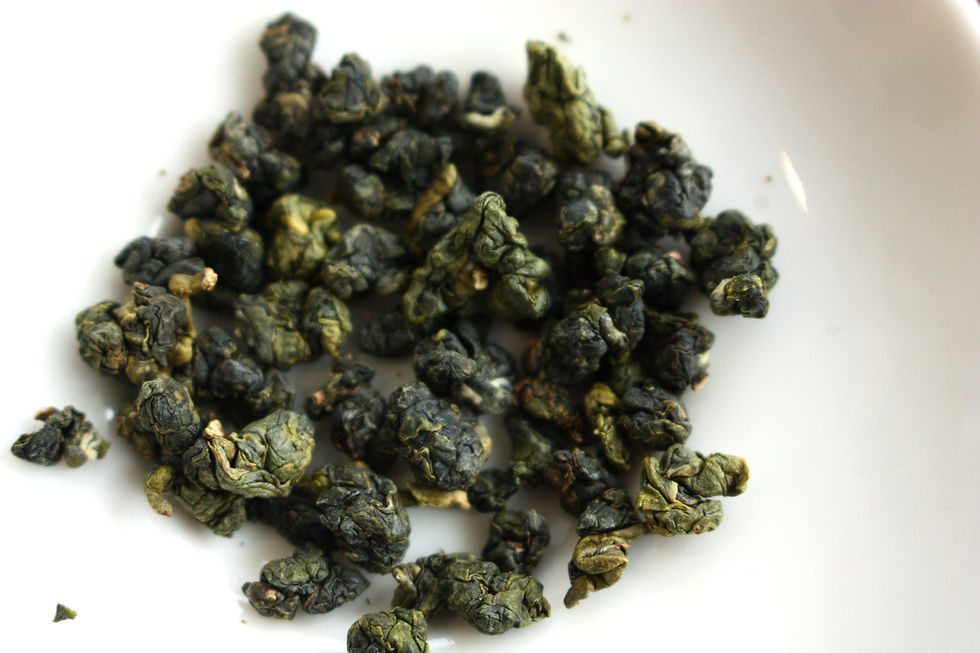
Wild Feng Huang Dan Chong Muscatel White Tea|【祥泰茶莊】野放鳳凰単欉蜜香白茶
White tea has long played an important role in Buddhist temples due to its exceptional quality and symbolic significance. As an integral part of Buddhist culture, it is regarded as a special tea by those who pursue faith, mindfulness, and the spirit of Zen. White tea is a traditional style of tea produced primarily in China's Fujian Province. Compared with other types of tea, its manufacturing process is relatively simple. It is made by naturally sun-drying freshly harvested young tea buds and leaves.
Production
After harvesting, the tea leaves undergo a process known as **withering**, during which they are exposed to sunlight and natural airflow to gradually reduce their moisture content. The leaves are then finished through natural sun-drying. Since white tea is dried naturally without undergoing rolling or heat fixation, the fine white hairs on the surface of the young leaves remain intact, giving the tea its name, **"White Tea."**
The defining characteristics of white tea are:
* No rolling
* No heat-firing
* Naturally dried rather than machine dried
In recent years, Taiwanese tea makers have refined their white tea production methods. Drawing on Taiwan's renowned expertise in producing highly aromatic teas, some producers have introduced a **leaf-tossing** step to enhance the fragrance while preserving the gentle character of white tea.
Characteristics
White tea is known for its light, delicate body and elegant floral and fruity aromas. The finished leaves are generally not tightly twisted and crumble easily when gently rubbed. For this reason, white tea is best brewed in a wide-mouthed vessel such as a tea bowl or gaiwan rather than a narrow-spouted teapot. This particular white tea is cultivated **without pesticides or fertilizers**. The tea plants are grown naturally, allowing **leafhoppers (Jacobiasca formosana)** to feed on the leaves. This natural interaction develops distinctive honeyed aromas reminiscent of **longan blossom honey** and **passion fruit**. Although white tea has traditionally been enjoyed in China, it has become increasingly popular in Taiwan in recent years. White teas produced from distinctive Taiwanese cultivars have been especially well received. Unlike oolong tea, which undergoes extensive hand processing, white tea is minimally processed, allowing the tea leaves to express their natural character. As a result, white teas made from uniquely Taiwanese cultivars, such as **Ruby 18 (TTES No. 18)** and the traditional local cultivar **Chin-Shin-Ganzai**, have become particularly popular. Another fascinating characteristic of white tea is that it continues to mature naturally over time. As it ages, its flavor gradually evolves, allowing you to enjoy different expressions of the tea at different stages of its development.
Cultivar: Phoenix Dan Chong
Harvest Season: Spring
Roasting Level: 0% (Unroasted)
Oxidation Level: Medium to High (continues to evolve with age)
Aroma Notes: Honey, Longan Blossom, Passion Fruit, Peach


**Tea-to-Water Ratio** (3g : 300 ml hot water)
Steep for **5 minutes or longer**


Because the leaves are **not rolled**, they may be left in the water while drinking. The tea develops very little bitterness, has a relatively low caffeine extraction rate, and reveals different layers of flavor as the temperature gradually changes.
International shipping fee
Returns & Refunds
Shopping Guide