Taiwan Tea Newsletter: A Little Taiwan Plus – Summer 2026 (Back Issue)
Taiwan Tea Newsletter: A Little Taiwan Plus – Summer 2026 (Back Issue)
In response to many requests from our readers, we are pleased to make past issues of A Little Taiwan Plus available for purchase.
Digital editions published from March 2023 onward can now be purchased and downloaded.
Please note: This is a digital product. After your payment has been completed, you will receive an email containing a download link. No physical copy will be shipped.
A Little Taiwan Plus – Summer 2026 Digital Back Issue
Seasonal Pairings of Taiwanese Tea and Snacks
Explore Taiwan more deeply through its seasonal teas, food culture, and culinary traditions.
- A Full-Color 12-Page Quarterly Magazine: Each issue features Tea-growing regions across Taiwan, the history of Taiwanese tea, stories of tea masters, brewing guides, tea and food pairing suggestions, dessert pairings, seasonal recipes.
- Four to Five Featured Taiwanese Teas: From rare specialty teas to everyday favorites, each issue introduces a carefully curated selection of Taiwanese teas.
- Live Online Events: Enjoy exclusive live online tea gatherings and cooking classes, where we introduce each featured tea and prepare seasonal dishes together.
Summer Feature (Full-Color, 12 Pages)
June • July • August
**From Jasmine-Scented Tea to Wenshen Paochong and High Mountain Oolong: Tracing the History Behind Taiwan's Most Fragrant Teas**
Did you know that Taiwan's renowned aromatic high mountain teas can trace their origins back to jasmine-scented tea (香片)?
In this issue, we journey through the major innovations that shaped Taiwanese tea, tasting representative teas from each era while exploring how their production methods evolved.
The story begins in the 1880s, when 香片 (scented Paochong tea) from Fujian, China crossed the Taiwan Strait and became one of Taiwan's most important export products to Southeast Asia.
A major breakthrough came in 1912, when tea makers developed techniques to create naturally floral aromas without using jasmine blossoms. This marked the birth of Wenshen Paochong Tea, the first great innovation in Taiwanese tea. From this point onward, teas with naturally floral aromas became known as Paochong tea.
In the 1940s, rolling techniques were introduced, and by the 1970s, mechanization dramatically increased production. Building upon the legacy of Tongding Oolong, producers combined the craftsmanship of Paochong tea with ball-rolling techniques, giving rise to today's lightly oxidized, highly aromatic style known as the light aroma style. During the 1990s, the boom in high mountain tea established it as the defining style of Taiwanese tea.
When people think of high mountain tea, Alishan often comes to mind. Over time, however, tea cultivation expanded to even higher elevations, eventually reaching Dayuling at approximately 2,600 meters above sea level. Its rarity has driven prices higher, while also creating new challenges for the industry. In recent years, consumers have increasingly recognized that elevation alone does not determine quality. As a result, Alishan has regained recognition as the "Home of High Mountain Tea," admired for its excellent balance of quality and value.
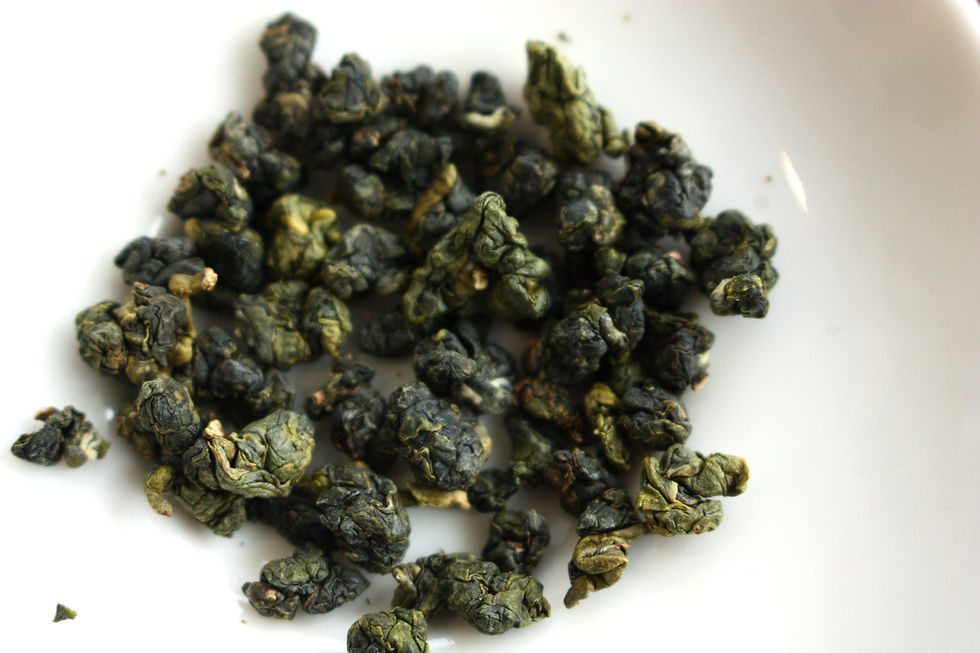
Today, Paochong tea has evolved into two distinct styles: the long, twisted leaves of Wenshen Paochong Tea produced in northern Taiwan, and the ball-shaped Paochong teas represented by modern high mountain oolong. The largest production area is now Mingjian Township in Nantou, where Sijichun tea has become a beloved everyday beverage. At the same time, increasing efforts are being made to preserve the region's tea-growing environment.
The tea selection in this issue follows this historical journey.
We begin with 香片, crafted by a century-old tea house, before moving to an award-winning Wenshen Paochong Tea from Pinglin, offering a benchmark for naturally floral Taiwanese teas.
Next comes Alishan Jhinshuan, celebrated for its soft floral fragrance and naturally creamy sweetness that gradually emerges as the tea cools. This delicate aroma is not created by flavorings, but through the unique combination of the tea cultivar and skilled craftsmanship.
We then travel to the rare tea gardens of Dayuling, where exceptional elevation creates remarkable freshness, clarity, and a lingering finish. As you sip, imagine yourself standing among Taiwan's ancient mountain forests.
Finally, we conclude with Sijichun Tea. A slightly more generous serving invites you to discover how Taiwanese tea can become part of everyday life—not only as a traditional infusion, but also through creative tea beverages that can be enjoyed while experimenting in the kitchen. We hope this issue inspires you to experience Taiwanese tea with both your hands and your senses.
[Important] Regarding the download deadline
The download is valid for 30 days. If you are viewing this on a smartphone, please be sure to save the data to your device.
Please note that you will no longer be able to download the file after the expiration date.