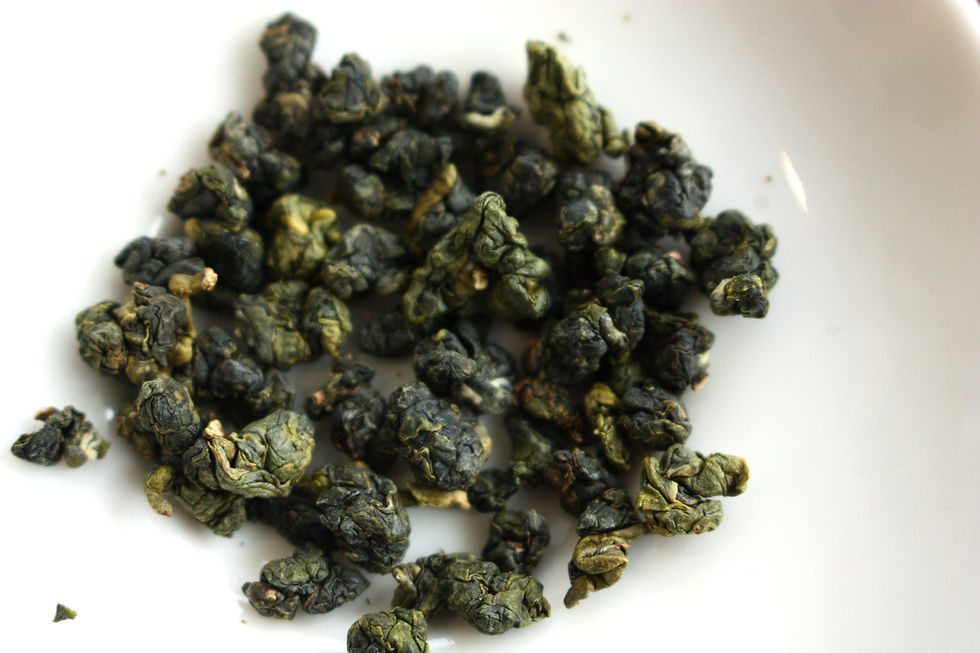
Sanxia White Tea|【天芳茶行】三峡白茶
White tea has long played an important role in Buddhist temples due to its exceptional quality and profound cultural significance. As part of Buddhist tradition, white tea has become a special presence for those seeking spiritual tranquility, mindfulness, and the essence of Zen. White tea is a traditional style of tea produced mainly in **Fujian Province, China**. Compared with other types of tea, its manufacturing process is relatively simple. It is made by naturally sun-drying freshly harvested young tea buds and leaves. Below is an introduction to the general characteristics and varieties of white tea.
Production Method
After harvesting, the tea leaves undergo a process called **withering**. During this stage, the leaves are exposed to sunlight and natural airflow to gradually reduce their moisture content. The leaves are then finished through natural sun-drying. Because white tea does not undergo deliberate oxidation or heat fixation, and the fine white hairs on the surface of the young leaves remain intact, it is called **"White Tea."**
The essential characteristics of traditional white tea are:
* No rolling
* No heat-firing
* Natural drying instead of machine drying
In recent years, Taiwanese tea producers have refined white tea processing techniques. Taking advantage of Taiwan tea’s naturally high aromatic qualities, some producers have introduced additional gentle handling and mixing techniques to further enhance fragrance while preserving the delicate character of white tea.
Characteristics
White tea is characterized by its light and elegant taste, with delicate floral and fruity aromas. The leaves are generally not tightly shaped and are easily broken when gently rubbed. Therefore, white tea is best brewed in a wide-mouthed vessel such as a tea bowl or gaiwan rather than a narrow-spouted teapot. Although white tea was traditionally enjoyed mainly in China, it has become increasingly popular in Taiwan in recent years. In particular, white teas made from distinctive Taiwanese cultivars have attracted much attention. Unlike oolong tea, which requires extensive hand processing, white tea involves minimal intervention, allowing the natural character of the tea leaves to be fully expressed. As a result, white teas made from unique Taiwanese cultivars such as **Ruby 18 (TTES No. 18)** and **Chin-Shin-Ganzai** have become increasingly popular. Another fascinating characteristic of white tea is that it continues to naturally mature over time. As oxidation slowly progresses, the flavor profile changes, allowing tea lovers to enjoy different expressions of the same tea at different stages of aging.
Cultivar: Chin-Shin-Ganzai
Harvest Season: Autumn
Roast Level: 0% (Unroasted)
Oxidation Level: Medium to High (continues to evolve over time)
Aroma Notes: Grape, woody notes, chocolate, bamboo leaf, green plum, apricot, bergamot


**Tea-to-Water Ratio** (3g tea leaves : 150ml hot water)
**Water Temperature** 98°C (208°F)


**Steeping Time**
1st infusion: 1 minute 15 seconds
2nd infusion: 1 minute 15 seconds
3rd infusion: 1 minute 15 seconds


Cold Brew
Place tea leaves and **600 ml cold water** into a bottle or glass container, then refrigerate for **6–8 hours**.
Cold brewing brings out a smoother sweetness and highlights the delicate fruity and floral characteristics of this white tea.
International shipping fee
Returns & Refunds
Shopping Guide